
Is Pet Hair Clogging Your Dryer Vent? Warning Signs To Watch
Yes, pet hair can clog your dryer vent by combining with lint to create dense blockages that restrict airflow, increase fire risks, and reduce dryer efficiency. Pet owners face unique challenges because hair from towels, bedding, and clothes accumulates during drying cycles, creating stubborn buildup that household cleaning often misses. Understanding how to identify these issues early helps you protect your home and maintain safe dryer operation.
Why Pet Hair Blocks Your Dryer Vent
Pet hair behaves differently from standard lint. The individual strands are longer and more flexible, allowing them to intertwine with lint fibers to create dense, matted clogs. These combined materials stick to the interior walls of your dryer vent, progressively narrowing the passage.
This buildup creates specific problems:
- Combines with lint: Pet hair and lint weave together into thick mats that adhere to vent walls more stubbornly than lint alone
- Restricts airflow: As the blockage grows, the effective diameter of your vent shrinks, reducing airflow by up to 50% or more in severe cases
- Accumulates rapidly: A single load of pet bedding can shed enough hair to fill a lint trap multiple times
Dogs and cats with double coats or long fur shed significantly more during seasonal changes. Households with multiple pets may see visible vent blockages develop in as little as three to four months, compared to the typical annual buildup in homes without pets.
Warning Signs Of A Clogged Dryer Vent
Pay attention to these common signs of a clogged dryer vent, which often appear gradually before becoming severe:
- Longer drying times: A normal load that once dried in 40 minutes now takes 60 to 90 minutes, or requires multiple cycles
- Excessive heat: The top of the dryer feels too hot to touch comfortably, or clothes emerge so hot you need to wait before folding them
- Burning smell: You detect a scorched or smoky odor, which indicates lint or hair is overheating in the system
- Lint buildup: Pet hair and lint collect around the dryer door seal, on the floor behind the unit, or around the outdoor vent opening
- No exterior airflow: When you hold your hand near the exterior vent while the dryer runs, you feel little or no warm air
These warning signs typically worsen over weeks or months. If you notice a burning smell, stop using your dryer immediately and schedule an inspection. Pet owners should check their outdoor vent monthly by simply feeling for strong airflow during a drying cycle.
How Pet Hair Raises Fire Risks
Blocked vents force your dryer to operate at higher temperatures because heat cannot escape properly. The heating element cycles on more frequently to compensate for poor airflow, creating prolonged exposure to high heat.
Pet hair combined with lint becomes a fire hazard when temperatures exceed normal operating ranges. Understanding how to prevent a dryer fire in your home includes recognizing these specific risks:
- Overheating from blocked airflow traps heat inside the drum and vent system
- Pet hair ignites at similar temperatures to lint but creates larger flames due to its structure
- Extended drying times mean your dryer runs longer, increasing the exposure to dangerous temperatures
The U.S. Fire Administration documents that dryers cause thousands of residential fires annually, with “failure to clean” listed as the leading factor. Pet hair accelerates this risk because it blocks vents faster than lint from clothing alone.
Ways To Reduce Pet Hair Before Drying
You can significantly reduce the amount of pet hair entering your dryer vent by taking these steps before and during the laundry process.
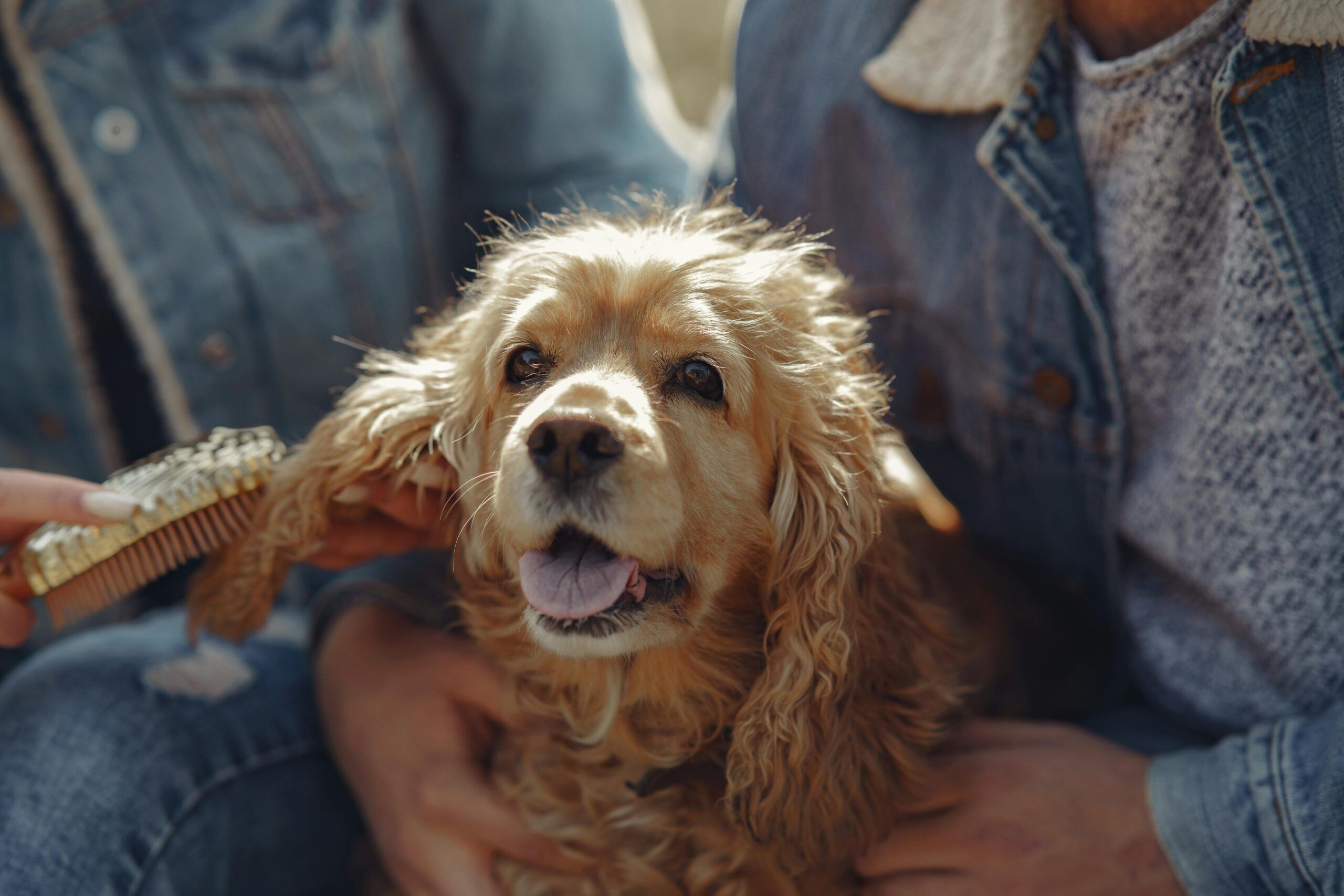
Brush Or Groom Pets Regularly: Weekly brushing removes loose undercoat before it transfers to furniture and fabrics. For heavy shedders, daily grooming during spring and fall shedding seasons can cut dryer-bound hair by half.
Shake Out Items Before Washing: Take pet blankets and bedding outside and shake them vigorously before placing them in the washer. This simple 30-second step removes loose surface hair.
Use Lint Rollers On Clothes: Run a lint roller over pet-covered items before loading the dryer. Sticky lint rollers work better than tape for capturing fine pet hair from fabrics.
Clean The Lint Trap After Each Load: Remove and clean your lint trap after every single drying cycle. Pet owners drying heavily soiled items should check and clean the trap mid-cycle as well, since a single load of dog bedding can fill the trap completely.
Add Dryer Balls: Wool dryer balls help separate fabrics during tumbling, which releases more pet hair into the lint trap rather than allowing it to travel into the vent.
How Often Should You Schedule Dryer Vent Cleaning
The frequency of professional cleaning depends on your household’s specific situation. Pet owners need more frequent service than standard recommendations.
Households with one small to medium dog or cat should schedule professional dryer vent cleaning every six to twelve months. Homes with multiple pets, large dogs, or long-haired breeds need cleaning every three to six months. If you dry pet bedding or towels more than twice weekly, consider quarterly cleaning.
Professional vent cleaning addresses areas you cannot reach with household tools. Technicians use specialized brushes and air agitation tools to clean the entire duct run from the dryer connection to the exterior vent cap, removing compacted pet hair and lint from bends and joints where blockages commonly form.
Between professional cleanings, check your exterior vent monthly. If airflow feels weak or you notice any warning signs, schedule service immediately rather than waiting for your next appointment.
Oxi Fresh offers professional dryer vent cleaning in select markets. Our service includes a complete system inspection and thorough cleaning of your entire vent run. Service availability varies by location, so contact Oxi Fresh to confirm dryer vent cleaning is offered in your area or visit our dryer vent cleaning service area page for more information.
Tips For Maintaining A Clear Vent
Keeping vents clear reduces energy consumption and extends appliance life. These maintenance practices help pet owners minimize hair buildup between professional cleanings.
Wash Pet Bedding Separately
Washing pet bedding, blankets, and heavily pet-hair-covered items in separate loads prevents excessive hair from mixing with regular laundry. This isolation reduces the overall hair volume entering your dryer and makes it easier to manage the concentrated pet hair from dedicated loads. You can also pre-treat these items with extra shaking or brushing before washing.
Air-Dry Items That Shed Excess Hair
Air-drying heavily pet-hair-covered items when possible minimizes hair entering the dryer system entirely. Hang pet blankets, towels used for bathing, and other high-shedding fabrics on outdoor clotheslines or drying racks. This approach reduces dryer wear, saves energy, and decreases vent maintenance needs while extending the time between professional cleanings.
Protect Your Home With Regular Maintenance
Pet hair does create unique dryer vent challenges, but staying aware of warning signs and maintaining a regular cleaning schedule protects your home from fire risks and equipment failure. Combining simple daily habits like cleaning your lint trap with scheduled professional service creates the most effective approach.
If you have noticed any of the warning signs described above, or if your vent has not been professionally cleaned in the past year, take action now. Waiting allows blockages to worsen and fire risks to increase.
Oxi Fresh offers dryer vent cleaning services in select markets. Schedule your appointment online or call Oxi Fresh to confirm service availability and protect your home today.
FAQs About Pet Hair In Dryer Vents
Can dog hair clog a dryer vent?
Yes, dog hair combines with lint to form dense blockages that restrict airflow in dryer vents, increasing fire risks and reducing efficiency. Pet owners with dogs should clean their vents more frequently than the standard annual recommendation.
Does pet hair travel through the entire vent system?
Yes, pet hair can travel from the dryer drum through the lint trap and into the vent ductwork, eventually reaching the exterior vent opening. This is why professional cleaning of the entire vent system is necessary, not just the lint trap.
Why doesn’t my dryer remove pet hair from clothes?
Dryers aren’t designed to remove pet hair—they circulate air to dry fabrics, which causes loose hair to recirculate and eventually enter the vent system. Remove pet hair with lint rollers or brushes before drying for best results.
Can pet-friendly households use dryer sheets safely with clogged vents?
Dryer sheets themselves don’t cause clogs, but they can leave residue that combines with pet hair and lint to create stickier buildup. Use them sparingly and maintain regular vent cleaning to prevent complications.