Why Is My Dryer Leaving Lint On My Clothes? Here’s The Fix
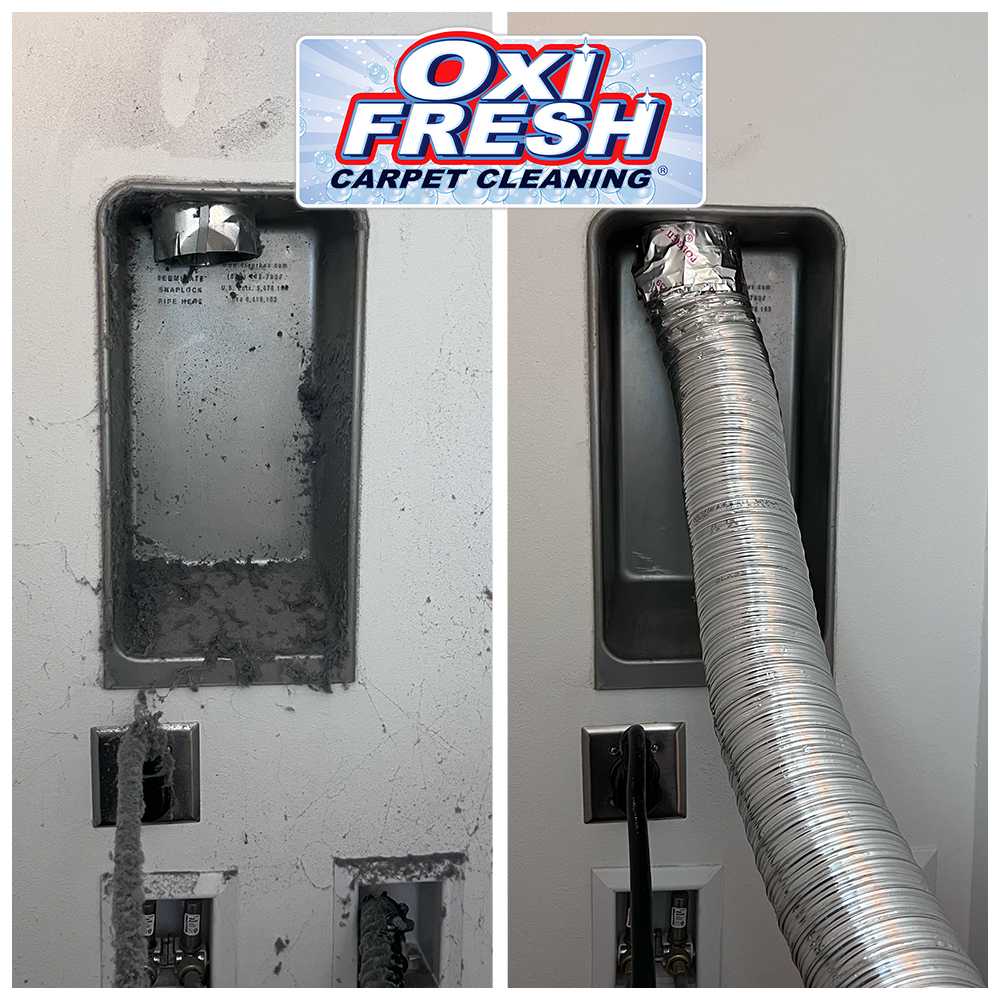
If you’re finding lint on clothes after drying, the culprit is typically a clogged or inefficient lint trap screen that can’t capture fibers during the drying cycle, often combined with a blocked dryer vent system. The most effective fix is cleaning the lint screen before every load and checking the dryer vent for blockages. These simple maintenance steps resolve most lint problems and can restore your dryer’s efficiency.
Why Lint Appears On Clothes After Drying
During the drying cycle, fabrics naturally shed fibers through friction and tumbling. Lint is simply the small fibers and particles that separate from clothing during washing and drying. The dryer’s lint screen, also called a lint trap or lint filter, is designed to capture these fibers as hot air circulates through the drum and exits through the vent system.
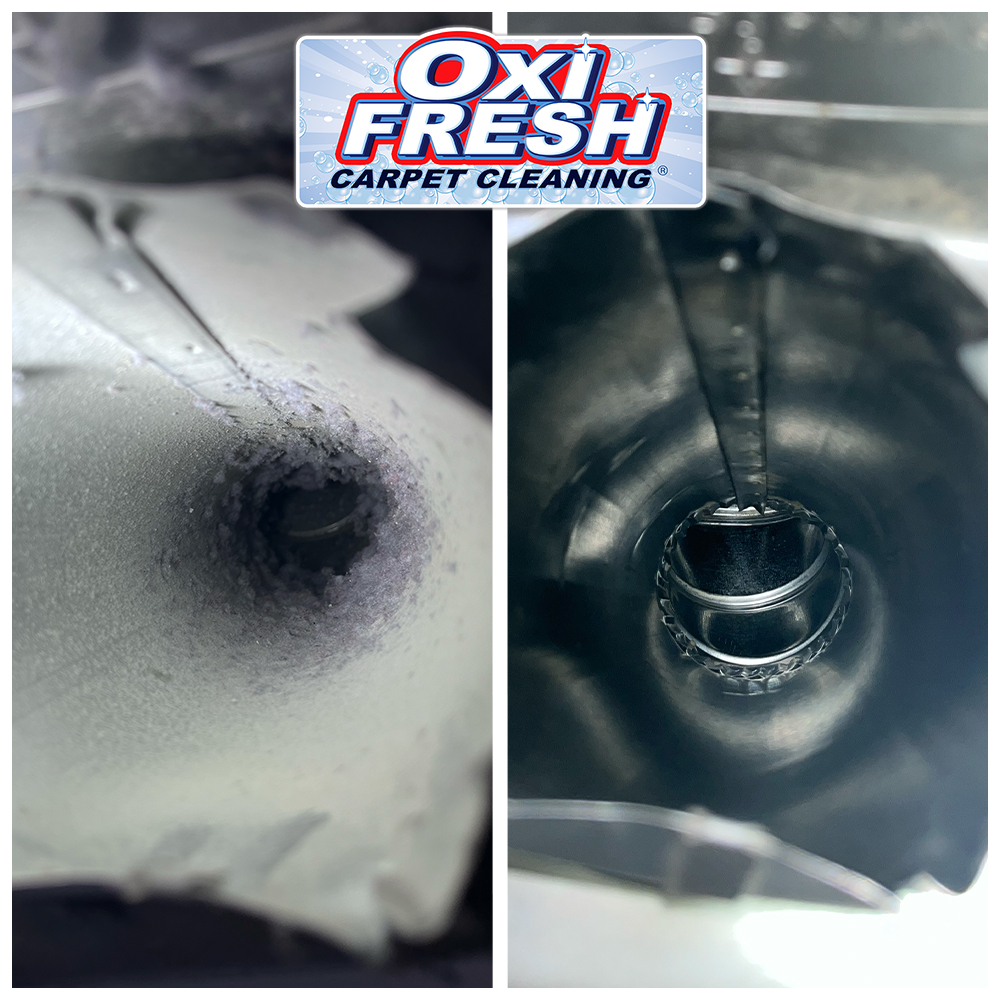
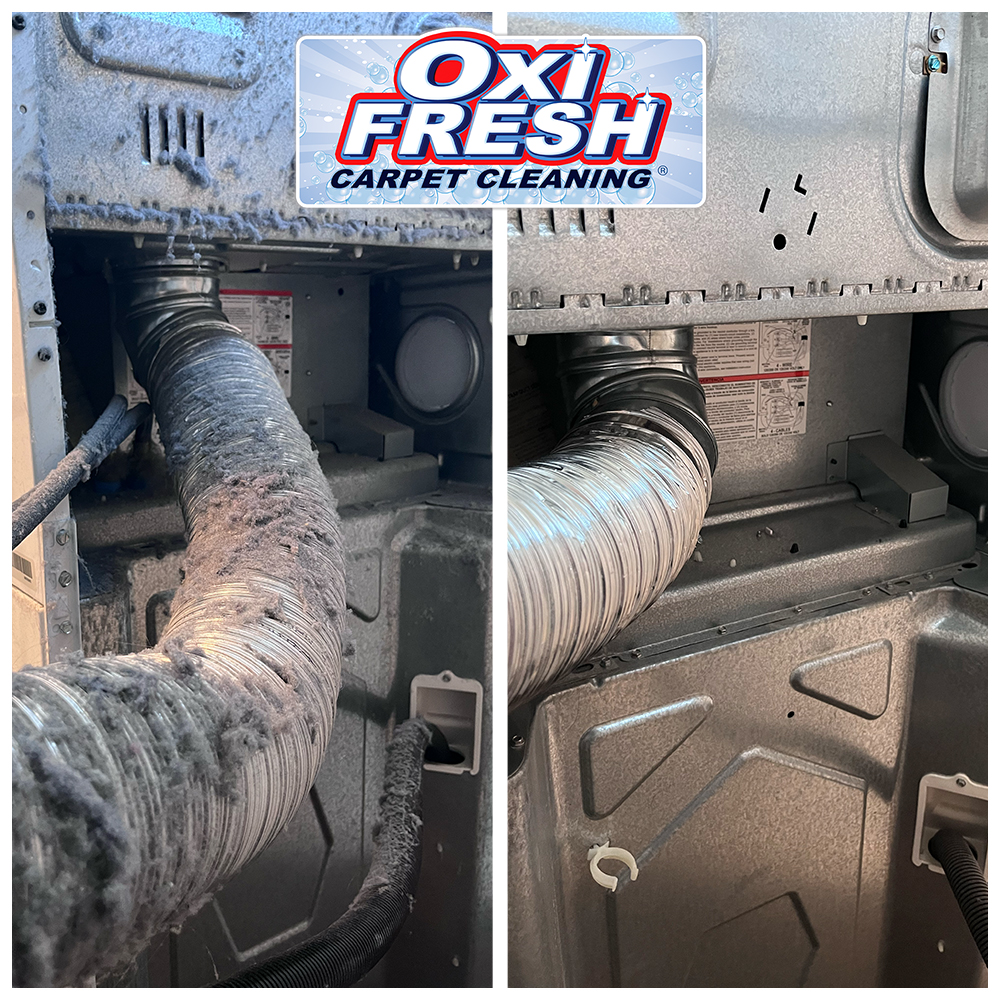
When the lint screen becomes clogged, dirty, or inefficient, it can’t trap all the fibers it should. Even a screen that appears clean can have invisible waxy buildup that blocks airflow by up to 75 percent. Different fabric types shed at different rates—synthetics like polyester produce more microfibers while cotton creates larger, fluffier lint clumps. The dryer vent system, the ductwork that expels hot air outside, also plays a significant role. When blocked, it restricts airflow and causes dryer lint to circulate back into the drum instead of being expelled outdoors.
Common Causes Of Clothes Dryer Lint Build-Up
Clogged Lint Screen
The lint screen captures fibers during each cycle, but when it’s not cleaned regularly, it becomes saturated and can’t trap new lint. A fully clogged screen forces your dryer to work harder and run longer, which increases energy costs and wear on your clothes.
Overloading The Dryer
Cramming too many clothes into one load prevents proper tumbling and airflow. When clothes can’t move freely, they rub together more aggressively, creating excess lint through increased friction. A good rule of thumb is to fill your dryer only two-thirds to three-quarters full.
Improper Vent Installation
Vents with more than two 90-degree bends, crushed sections, or incorrect materials like plastic or foil accordion-style ducts restrict airflow. Rigid metal ducting is the safest and most efficient option. When air can’t escape properly, lint gets trapped in the system and eventually works its way back onto clothes.
Use Of Fabric Softeners
Both liquid fabric softeners and dryer sheets leave a waxy residue on the lint screen over time. This coating clogs the screen mesh at a microscopic level, reducing its ability to capture lint even when it looks clean to the naked eye.
Fabric Types That Shed More Lint
New towels, fleece jackets, flannel sheets, and chenille blankets are the biggest lint producers because these materials have loose fibers that shed easily during their first several washes. Washing these items separately for the first three to five cycles prevents lint transfer to other garments.
How To Get Lint Off Clothes From The Dryer
Sometimes you need immediate help getting lint off clothes that just came out of the dryer, covered in fibers. Here are the most effective prevention and removal strategies:
- Use a lint roller or packaging tape: Wrap tape sticky-side out around your hand and pat the fabric to remove surface lint.
- Dampen a microfiber cloth: Wipe down clothing in one direction—the moisture helps collect lint without spreading it.
- Add dryer balls to your cycle: Three to four wool or rubber dryer balls physically knock lint loose and improve air circulation.
- Re-wash with white vinegar: For heavily lint-covered items, add half a cup of white vinegar during the rinse cycle to loosen fibers and reduce static that causes lint to cling.
Tips To Prevent Lint In Laundry Long-Term
- Clean the lint screen before every load: The simplest and most effective prevention step.
- Avoid dryer sheets and liquid fabric softeners: Prevent residue buildup by switching to dryer balls or vinegar.
- Sort laundry by fabric type: Separate lint producers from lint attractors.
- Don’t overload the dryer: Allow proper tumbling and airflow.
- Check pockets before drying: Prevent tissue and paper lint explosions.
- Schedule annual dryer vent cleaning: Increase frequency for high-use households.
When To Seek Professional Dryer Vent Cleaning
While homeowners can handle basic maintenance, some situations require professional equipment and expertise. If clothes take two or more cycles to dry completely, the dryer exterior feels hot to the touch, you notice a burning smell during operation, or it’s been more than a year since the last professional cleaning, it’s time to call specialists.
Professional dryer vent cleaning services use high-powered rotary brush systems, air agitation tools, and industrial vacuums that reach 25 feet or more into ductwork and remove compacted lint homeowners can’t access with standard tools. Professionals can also identify hidden problems like separated duct joints, animal nests deep in the system, or vent terminations that don’t meet current building codes.
Keep Your Home Fresh And Lint-Free
Lint on clothes after drying usually stems from a clogged lint screen, blocked dryer vent, or a combination of maintenance issues. Regular cleaning prevents these problems and creates a safer, more efficient home. Cleaning the lint screen before every load takes just five seconds but makes a dramatic difference in dryer performance, energy efficiency, and fire safety.
Schedule your Oxi Fresh dryer vent cleaning using our Online Scheduler or call 877-OXI-FRESH today.